Engine Diagnostics in California
Eliminate costly parts-guessing with scientific, data-driven diagnostic testing.
Engine Diagnostics: What You Should Know
A trouble code tells you which system flagged a problem, not which part failed. Proper engine diagnosis combines live scan data with mechanical tests (compression, cylinder leak-down, smoke testing for vacuum and evaporative leaks, fuel pressure) so the right part is replaced the first time. In California, diagnosis often starts with a failed or upcoming Smog Check, so we also check OBD II readiness monitors and emission system function.
California
Diagnostics and California Smog Check
Why diagnosis matters more in a Smog Check state.
Warning lights and Smog Check
A lit check engine light means an OBD II vehicle will not pass Smog Check, and many transmission faults set that light. Fixing the real cause, rather than clearing codes, is what gets the vehicle through inspection.
Source: BAR Smog Check Reference Guide (Appendix D)(opens in a new tab)Emissions warranty may apply
On newer vehicles, California emission warranties cover high-priced emission parts for 7 years or 70,000 miles, and longer on PZEV vehicles. A diagnosis that identifies a covered part can save you the repair cost.
Source: BAR Smog Check Reference Guide (Appendix D)(opens in a new tab)Written estimate and your authorization first
California repair dealers must give you a written estimate for parts and labor and get your authorization before work starts. If more work turns up, you are contacted and must approve it before it is done.
Source: BAR: Your auto repair rights(opens in a new tab)
General information based on Bureau of Automotive Repair and California Air Resources Board publications, not legal advice. Rules change; check the linked sources for your vehicle.
Common Symptoms & Warning Signs
Recognize these warning signs early to avoid catastrophic drivetrain damage.
Intermittent Engine Misfires & Stumbling
Engine hesitating or bucking under load, triggering flashing check engine lights.
Mysterious Loss of Power or Fuel Economy
Vehicle feels sluggish, hesitates during acceleration, or gas mileage drops noticeably.
Unexplained Hard Starting or Stalling
Extended cranking times before the engine catches, or sudden stalling at traffic lights.
Rough, Shaking Idle
Vibration felt through steering wheel and seats while idling in gear.
How the Problem Is Diagnosed
We believe in data-driven diagnostics. Rather than guessing with expensive replacement parts, our technicians follow rigorous diagnostic protocols.
Full System ECM & Network Diagnostic Scan
Scanning all onboard modules for active, pending, and historical diagnostic trouble codes and freeze-frame operational data.
Live Sensor Data Stream & Fuel Trim Analysis
Evaluating Short Term (STFT) and Long Term (LTFT) fuel trims, mass airflow (MAF) grams/sec, and manifold absolute pressure (MAP) in real-time.
Lab Scope Oscilloscope Waveform Capture
Connecting 4-channel digital oscilloscopes directly to fuel injectors, ignition coils, and cam/crank sensors to capture microscopic electrical dropouts.
High-Pressure EVAP & Intake Smoke Testing
Injecting vaporized diagnostic smoke under pressure into the intake and vacuum circuits to instantly reveal pinhole vacuum leaks.
Repair & Replacement Options
Precision Component Replacement
Replacing only the confirmed failed sensor, actuator, or mechanical component.
Wiring Harness & Ground Repair
Repairing chaffed wires, corroded pins, and high-resistance electrical grounds.
ECM Software Updates & Re-flashes
Updating engine control software to resolve known manufacturer calibration bugs.
Common Vehicles & Powertrains Involved
Examples of vehicles where this work is commonly needed. Call with your year, make, model and engine to confirm we can help with your specific vehicle.
- • Ford, Chevy, GMC, Dodge, Ram, Jeep modern electronic platforms
- • Toyota, Lexus, Honda, Acura, Nissan, Subaru, Hyundai, Kia
- • BMW, Mercedes-Benz, Audi, Volkswagen, Land Rover, Porsche
- • Commercial diesel OBD and CAN-bus platforms
How the Process Works
Customer Symptom Interview
Recording exact weather, speed, and driving conditions when the fault occurs.
Initial Digital Health Scan
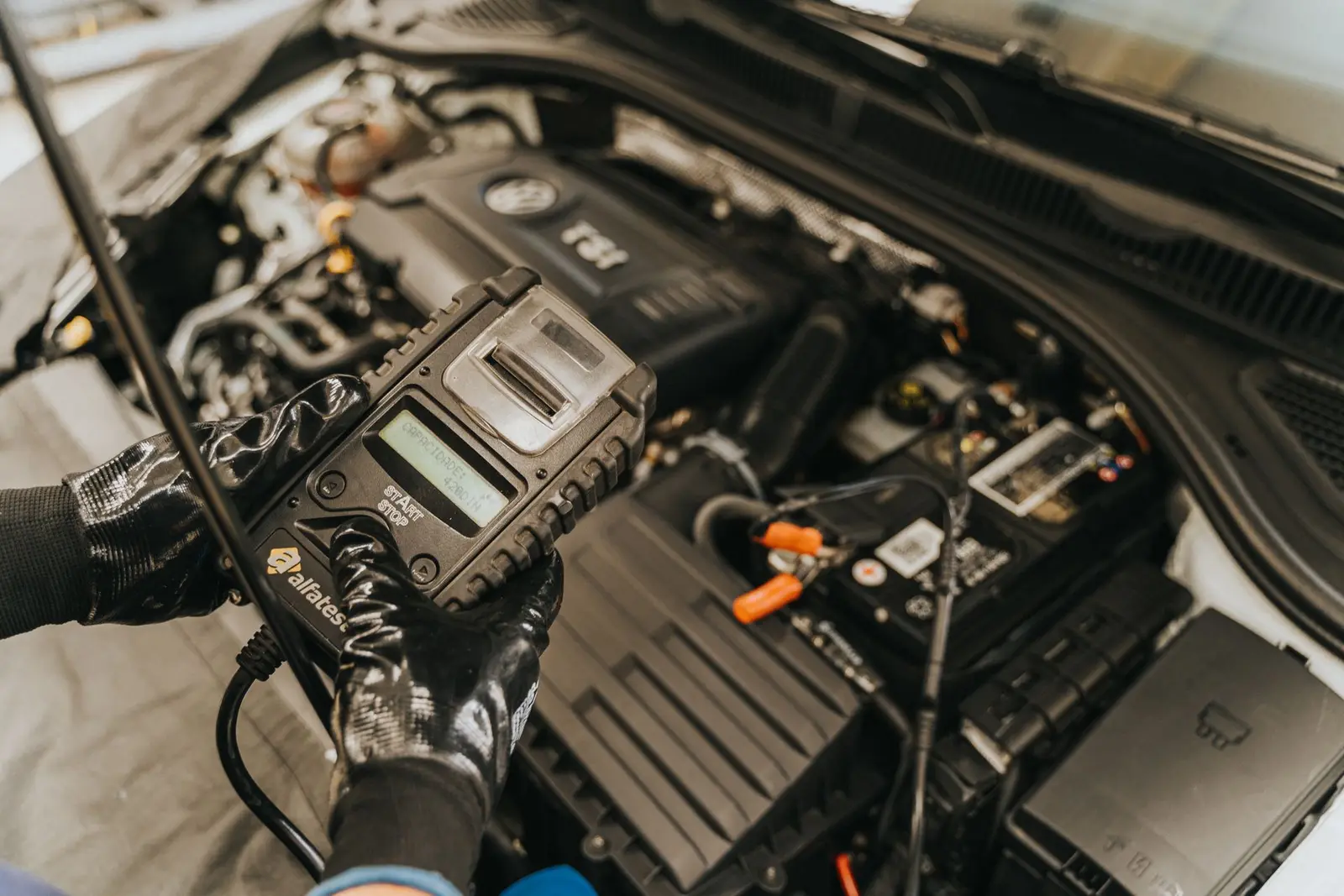
Checking battery health, network communication, and freeze-frame records.
Hypothesis Testing & Scope Probing
Testing specific components rather than guessing with new parts.
Written Diagnostic Findings Report
Clear explanation with digital waveform captures and honest repair quote.
Frequently Asked Questions About Engine Diagnostics
Related Powertrain Services
Call to Discuss Your Repair
Engine and transmission problems are easiest to explain by phone. Tell us your vehicle and symptoms (slipping, noises, warning lights) and we'll explain the likely next steps and how an estimate works.
Phone estimates are non-binding. You receive a written quote after inspection, and no work starts without your approval.
Warranty: Warranty coverage is available. Terms depend on the repair, part or engine and are stated in writing on your estimate.
Towing: Towing is available. Ask about towing for your location when you call.