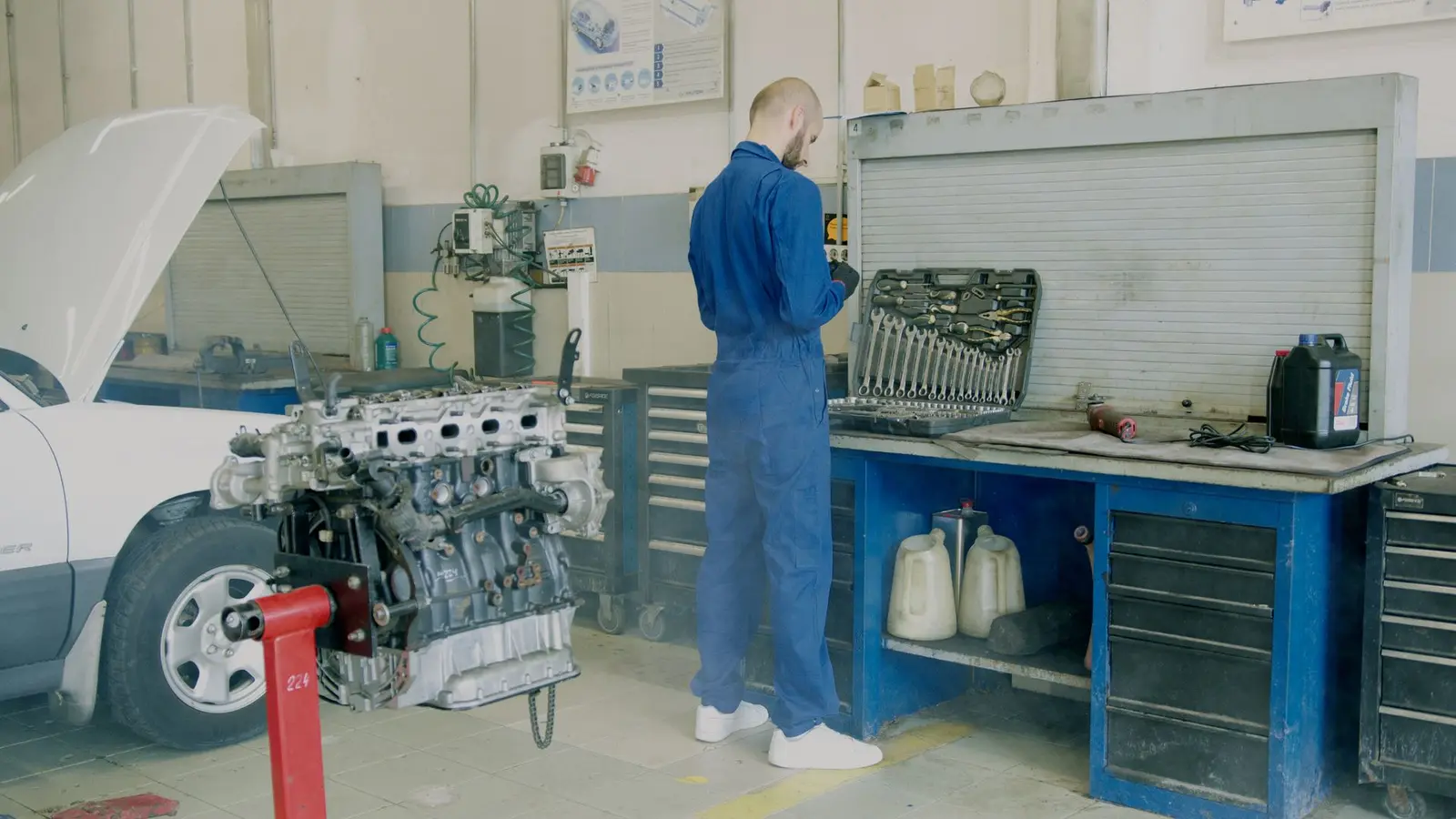
Engines for Sale: New, Remanufactured & Used
We keep engine inventory and ship engines throughout the United States. Call with your VIN to check availability, price, shipping and warranty terms.
Replacement Engines: What You Should Know
Choosing a replacement engine comes down to three questions: new, remanufactured or used; the exact engine your vehicle needs; and, for a California-registered vehicle, whether it matches your engine family and emissions certification. This guide walks through each one. When you call, have your VIN ready. It identifies the engine code, and the emissions label under your hood identifies the engine family.
California
Buying an Engine for a California Vehicle
Three checks that out-of-state engine sellers often skip.
Engine replacement vs. engine change
BAR treats a new, rebuilt, remanufactured or used engine of the same make, number of cylinders and engine family (test group) as the original, with the original emission controls reinstalled, as a replacement engine. Anything else is an engine change, which needs a BAR Referee inspection.
Source: BAR: Engine Changes(opens in a new tab)California vs. Federal emissions certification
Under the CARB and BAR engine change guidelines, a California-certified engine may go into a Federal vehicle, but a Federal-certified engine may not go into a California-certified vehicle. We check the emissions label and engine family before an engine is ordered.
Source: BAR Smog Check Reference Guide (Appendix D)(opens in a new tab)Uncertified crate and industrial engines are out for road use
The engine change guidelines state that non-emissions-controlled engines, including industrial or off-road-only engines and non-certified crate engines, may not be installed in any emission-controlled vehicle. CARB-exempted engine packages are limited to the applications listed in their Executive Order.
Source: BAR Smog Check Reference Guide (Appendix D)(opens in a new tab)
General information based on Bureau of Automotive Repair and California Air Resources Board publications, not legal advice. Rules change; check the linked sources for your vehicle.
Common Symptoms & Warning Signs
Recognize these warning signs early to avoid catastrophic drivetrain damage.
Engine Will Not Turn Over (Seized)
The starter engages but the crankshaft will not rotate, often because bearings have seized after oil starvation.
Deep Knocking From the Bottom End
A heavy, rhythmic knock that rises with RPM usually points to a spun rod bearing. Continuing to drive can break a connecting rod.
Coolant in the Oil or Hydro-Lock
Milky oil, white exhaust smoke or a sudden stall can mean a cracked block or head. These failures often make replacement the practical choice.
Low Compression Across Several Cylinders
Worn rings, burned valves or scored cylinder walls cause misfires and power loss that a simple repair cannot fix.
How the Problem Is Diagnosed
We believe in data-driven diagnostics. Rather than guessing with expensive replacement parts, our technicians follow rigorous diagnostic protocols.
Confirm the Engine Has Actually Failed
Before buying a replacement, confirm the diagnosis with compression or leak-down testing, oil analysis or inspection. Some symptoms that sound terminal have cheaper causes.
Match the Exact Engine by VIN
The 8th digit of most VINs identifies the engine. Displacement, emissions package, variable valve timing and cylinder-deactivation hardware must all match your vehicle.
Compare Options and Total Cost
Compare the engine price plus installation, fluids, gaskets and any parts that should be replaced at the same time, such as the water pump and thermostat.
Get Warranty Terms in Writing
Warranty length, mileage limits and whether labor is covered vary widely by supplier. Read the terms before you buy.
Repair & Replacement Options
New Crate Engines
Brand-new engines, usually from the vehicle manufacturer or a major supplier. Highest upfront cost; availability depends on the engine.
Remanufactured Engines
Rebuilt in a production facility with new wear parts and updated components. Often a good middle ground between new and used. See our new and remanufactured engines page.
Used Engines
Taken from a donor vehicle. Lowest upfront cost, but condition depends on the donor's history, so documentation matters. See our used engines page.
Installation
If you need the engine installed, ask about installation when you call. Our engine replacement page explains what a proper installation includes.
Repair vs. Rebuild vs. Replacement Decision Guide
If there is metal debris in the oil or a spun bearing, replacement is usually more dependable than repairing a contaminated engine. Confirm the diagnosis first.
Repair the Existing Engine
Best when damage is limited to external or top-end parts, such as a water pump, head gasket or timing components, and the bottom end is healthy.
Rebuild the Existing Engine
Worth considering when the block is sound and matching original numbers matters, as with classic or specialty vehicles.
Replace With Another Engine
Usually the most practical choice after a spun bearing, seized crank or cracked block, when internal contamination makes repair unreliable.
Common Vehicles & Powertrains Involved
Examples of vehicles where this work is commonly needed. Call with your year, make, model and engine to confirm we can help with your specific vehicle.
- • Chevy / GMC 5.3L and 6.2L V8 (Silverado, Sierra, Tahoe, Suburban)
- • Ford 5.0L Coyote, 3.5L and 2.7L EcoBoost (F-150, Expedition)
- • Ram 5.7L Hemi (1500)
- • Jeep 3.6L Pentastar (Wrangler, Grand Cherokee)
- • Toyota 3.5L V6 and 5.7L V8 (Camry, Highlander, Tundra)
- • Honda 2.4L and 3.5L (Accord, CR-V, Pilot)
- • Nissan 3.5L VQ (Altima, Pathfinder)
- • Hyundai / Kia 2.4L and 2.0L Turbo
- • BMW 2.0L and 3.0L turbo
- • Mercedes-Benz 2.0L turbo and V6
- • Audi / Volkswagen 2.0L TSI
- • Work vans (Ford Transit, Chevy Express, Ram ProMaster)
- • Heavy-duty pickups (gas and diesel)
How the Process Works
Call With Your VIN
Have your VIN, mileage and a description of the failure ready.
Discuss the Options
We go through new, remanufactured and used options that fit your vehicle and budget.
Confirm Price, Terms & Delivery
Price, warranty terms and how you will receive the engine are confirmed before you commit.
Shipping or Installation
We ship the engine to you or your installer, or install it at one of our California workshops.
Frequently Asked Questions About Replacement Engines
Related Powertrain Services
What to know before buying a used engine.
Crate and remanufactured engine options explained.
What a proper engine replacement involves.
Confirm the engine has really failed before replacing it.
Search engine families by manufacturer, engine code, vehicle or category.
Call to Discuss Your Repair
Engine and transmission problems are easiest to explain by phone. Tell us your vehicle and symptoms (slipping, noises, warning lights) and we'll explain the likely next steps and how an estimate works.
Phone estimates are non-binding. You receive a written quote after inspection, and no work starts without your approval.
Warranty: Warranty coverage is available. Terms depend on the repair, part or engine and are stated in writing on your estimate.
Towing: Towing is available. Ask about towing for your location when you call.